


Android Tablets vs iPad: Which Ecosystem Is Better for Everyday Buyers?
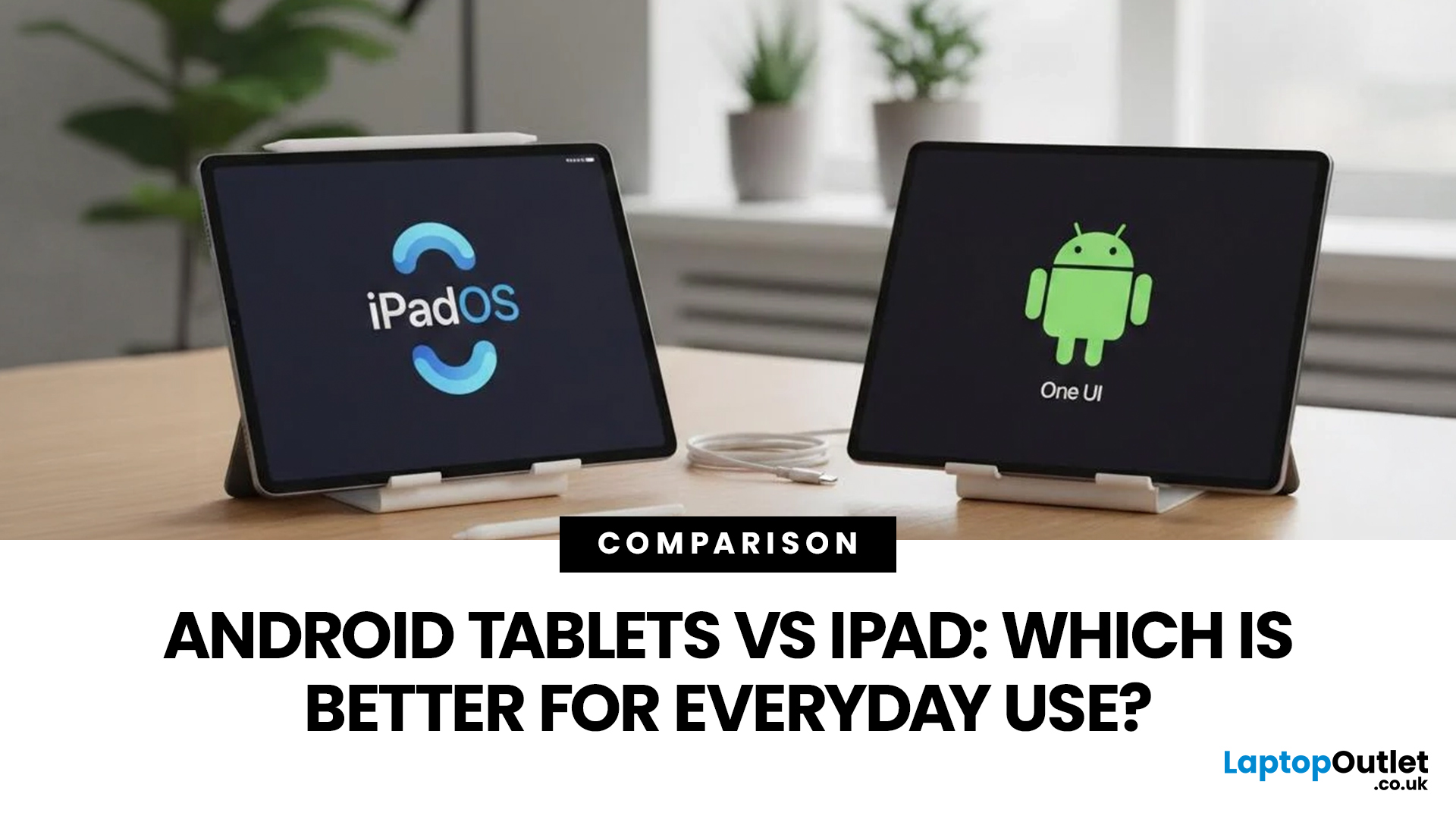
Choosing a tablet sounds easy… until you actually start looking.
Suddenly, it turns into a full-on ecosystem debate. Do you go for the clean, premium Apple experience? Or do you choose the flexibility, variety and better-value world of Android?
That’s exactly why so many buyers end up stuck between Android tablets vs iPad.
On one side, iPads have the polished reputation, smooth performance and that classic Apple “it just works” appeal. On the other, Android tablets give you more choice, more price points, more freedom and a way easier entry into the tablet world without your bank account crying in the background.
And if you’re an everyday buyer, that choice matters even more.
Because you’re probably not buying a tablet to do one ultra-specific thing. You want something that fits into daily life. Something good for streaming, scrolling, studying, replying to emails, joining video calls, browsing, shopping, taking notes, maybe even getting a bit of work done when needed.
So in this guide, we’re breaking down Android tablets vs iPad in a way that actually makes sense for real buyers, not just spec-sheet obsessives. We’ll compare flexibility, apps, value, productivity, entertainment and overall user experience, so you can work out which ecosystem suits you best.
If you already want to browse your options, you can check out the latest Android tablets or explore the range of Apple iPads.
But if you want the smart answer before spending your money, let’s get into it.
Quick Verdict: Android or iPad?
If you want the short version, here it is:
- Choose Android tablets if you want better value, more device choice, more flexibility and a wider range of options for everyday use.
- Choose an iPad if you want a premium, highly polished ecosystem with strong app optimisation and seamless Apple integration.
That’s the simple answer.
But the better answer depends on how you actually use your tablet, and that’s where this comparison gets useful.
What Everyday Buyers Actually Need From a Tablet
Before comparing ecosystems, let’s be honest about how most people use tablets.
Everyday buyers usually want a tablet for things like:
- Streaming Netflix, YouTube or Disney+
- Browsing, online shopping and social media
- Light productivity like emails, notes and Google Docs
- Study, research and digital reading
- Video calls and messaging
- Gaming here and there
- Portability for home, travel or commuting
That means the “best” ecosystem is not always the most expensive or the most hyped. It’s the one that fits your lifestyle without making things harder than they need to be.
And this is where Android tablets compared with iPad gets interesting, because both ecosystems can do the basics well, but they go about it in very different ways.
Android Tablets vs iPad: The Core Difference
At the most basic level, this comparison comes down to approach.
iPad ecosystem
Apple gives you:
- tight hardware and software integration
- a polished, premium user experience
- strong optimisation across apps
- a more controlled, less customisable environment
Android ecosystem
Android gives you:
- more brands and price ranges
- more freedom and flexibility
- more variation in features and tablet styles
- more value-focused options for different needs
So the real question isn’t just Android or iPad. It’s this:
Do you want a highly refined experience with fewer choices, or a more flexible ecosystem with more freedom and better pricing options?
1. Value for Money: Android Usually Wins
For most everyday buyers, price matters. A lot.
And this is where Android makes a seriously strong case.
With Android, you’re not limited to one brand or one pricing strategy. You can choose from budget models, mid-range tablets, productivity-focused options and premium devices, all without being forced into one ecosystem price point.
That means if you’re shopping for:
- a study device
- a family tablet
- an entertainment screen
- a casual everyday device
…Android often gives you more for your money.
There’s also a lot more variety when it comes to features at lower prices. Bigger displays, expandable storage, stylus support and multitasking tools can show up at prices that feel much more reasonable than Apple territory.
That doesn’t mean iPads are bad value. They hold their value well, usually offer strong long-term performance and feel premium from the moment you pick one up. But for the average buyer, the upfront cost is still a bigger ask.
If you want a great example of value-led Android options, it’s worth browsing Lenovo Android tablets or checking out devices like the Lenovo Tab K11, which offer everyday usability without going full luxury pricing.
Verdict on value:
If your priority is affordability, flexibility and getting the most out of your budget, Android tablets usually come out on top.
2. Simplicity and User Experience: iPad Has the Edge
This is where Apple does what Apple does best.
The iPad experience feels clean, smooth and very intentional. The interface is easy to use, apps are typically well optimised, and the whole thing feels consistent from start to finish.
For buyers who don’t want to think too much about settings, compatibility or tweaking their device, that simplicity is a big plus.
iPads are especially appealing if you:
- already use an iPhone or Mac
- like a cleaner, minimal UI
- want things to sync easily across devices
- prefer a more premium, “it just works” experience
Android has improved massively here, and many modern tablets feel polished and user-friendly. But the experience can vary by brand, model and software skin. That means some Android tablets feel sleek and streamlined, while others may feel less consistent. That’s the trade-off. Apple offers more consistency. Android offers more freedom.
Verdict on user experience:
If you care most about a smooth, premium and easy-to-navigate interface, iPad usually wins.
3. Flexibility and Customisation: Android Takes It
This one is not even that close.
If you want freedom, Android is the better ecosystem.
Android tablets let you:
- customise your home screen more freely
- use widgets in more flexible ways
- manage files more openly
- choose from a wider range of apps and brands
- use expandable storage on some devices
- work across different budgets and use cases
That level of flexibility is a big reason why many buyers prefer Android, especially if they don’t want to be locked into one brand universe.
It also means you can find Android tablets tailored for specific needs more easily. Want something affordable for note-taking? There’s an option. Want something business-ready and rugged? There’s an option. Want something lightweight for casual everyday use? Also covered.
Samsung and Lenovo in particular offer some of the strongest examples here, so it’s worth exploring Samsung Android tablets and Lenovo’s wider tablet lineup if flexibility matters to you.
Verdict on flexibility:
If you want more control, more options and less ecosystem restriction, Android wins comfortably.
4. App Experience: iPad Still Feels More Refined
Apps are one of the biggest reasons people lean towards iPad and fair enough. Many apps are still better optimised for iPad screens than they are on Android tablets. That includes:
- creative apps
- note-taking tools
- productivity apps
- some premium entertainment and editing apps
That doesn’t mean Android is weak here. For most everyday buyers, Android app support is more than good enough. Streaming apps, office tools, browsers, video calls, study apps and casual games all work perfectly well on modern Android tablets.
The difference is more noticeable if you’re picky about polish, animation smoothness and premium app ecosystems. If you’re mostly using your tablet for general everyday tasks, Android does the job well. But if you want the slickest app experience possible across the board, iPad still has the stronger reputation.
Verdict on apps:
For everyday use, both are solid. For the most polished tablet app experience, iPad has the edge.
5. Productivity: It Depends on How Serious You Are
This is where things get more nuanced.
If your idea of productivity is:
- replying to emails
- editing docs
- taking notes
- attending online classes
- switching between apps
- light admin and planning
…then both ecosystems can work really well.
Android tablets are especially strong for buyers who want practical productivity without overspending. There are some excellent models designed for exactly that kind of use, including plenty of devices that support keyboards, styluses and split-screen multitasking.
If that’s your lane, our guide to the best Android tablets for work and study is worth checking out.
Where iPad tends to feel stronger is in high-end productivity and premium creative workflows. The ecosystem feels more mature for buyers already living in Apple world, and accessories like the Apple Pencil and Magic Keyboard make the setup feel very polished.
Still, for everyday productivity buyers, Android often makes more practical sense.
Verdict on productivity:
For premium productivity and polished workflows, iPad is strong. For flexible, better-value productivity, Android tablets are often the smarter buy.
6. Entertainment and Everyday Use: Both Are Great, Android Is More Accessible
If your tablet is mainly for:
- binge-watching
- browsing
- casual gaming
- social media
- reading
- travel
- family sharing
…then both ecosystems perform well.
iPads bring excellent displays, strong performance and a very fluid entertainment experience. But Android tablets are often easier to access at more price points, which makes them more appealing for everyday buyers who just want a solid all-rounder.
And because Android tablets come in more shapes, sizes and budgets, it’s easier to match the tablet to your actual habits.
Want a budget screen for Netflix and browsing? Android has loads of options. Want a large display for both study and entertainment? Also easier to find. Want a premium experience without jumping all the way to top-end iPad pricing? Android gives you more room to choose.
Verdict on entertainment:
Both are strong, but Android tablets make everyday entertainment more affordable and more accessible.
7. Best Choice by Buyer Type
Sometimes the easiest way to answer iPad vs Android tablets is to match the ecosystem to the buyer.
Choose Android tablets if you are:
- budget-conscious
- buying your first tablet
- a student who wants value
- someone who likes more device choice
- looking for a practical everyday tablet
- interested in more flexibility and customisation
Choose iPad if you are:
- already deep in the Apple ecosystem
- happy to pay more for polish
- focused on premium app experience
- someone who wants the most seamless Apple integration
- looking for a long-term premium tablet experience
Android Tablets Compared With iPad: Real Product Examples
Sometimes the ecosystem debate gets clearer when you compare actual devices.
1. Lenovo Tab K11: Great for everyday value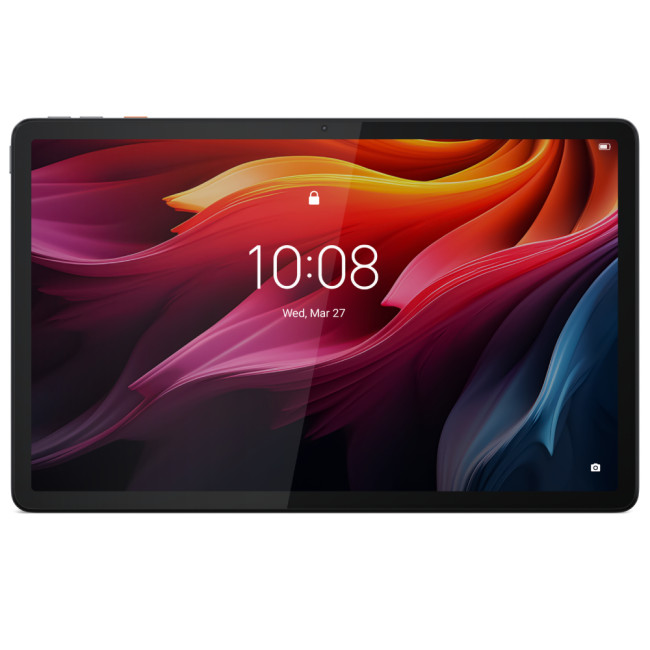
Highlight:
- Qualcomm Snapdragon Processor
- 11.4" 2K Display, 2000 x 1200 Max. Resolution
- 8 GB RAM, 256 GB Storage
- 8 MP Front Camera
- Qualcomm Adreno 610 Graphics
- 8600mAh Battery Capacity
- USB-C
- Grey Colour
The Lenovo Tab K11 is a strong example of why Android appeals to everyday buyers. It offers practical performance, a user-friendly experience and good value for students, casual users and light productivity.
It’s the kind of tablet that makes sense if you want a device for everyday tasks without stretching your budget too far.
2. Apple iPad Pro 11: Premium power, premium price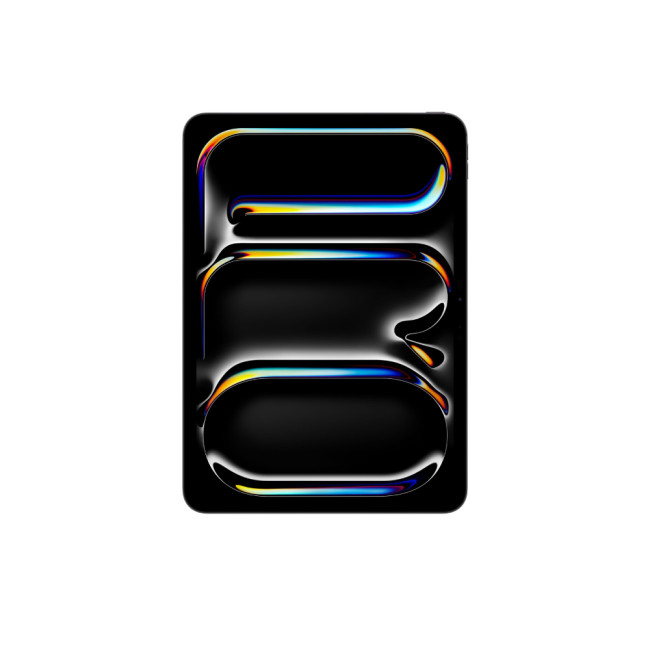
Highlights:
- 11" , IPS
- 256 GB Storage
- 12 MP Front Camera
- 31.29 Wh Battery Capacity
- Black Colour
The Apple iPad Pro 11 sits firmly on the premium side of the market. It’s powerful, polished and seriously capable, but it also comes at a very different price level.
For everyday buyers, that raises a real question: do you need all that power, or are you paying for more than you’ll use?
That’s one of the biggest points in the Android tablets vs iPad conversation. iPads often feel aspirational. Android tablets often feel practical. And for many buyers, it’s a practical win.
Android or iPad for Students?
Students usually need a tablet that can handle:
- research and browsing
- note-taking
- video lectures
- light productivity
- portability
- a price that doesn’t feel painful
That makes Android a very strong option, especially if budget matters.
Many Android tablets offer exactly what students need without pushing them into a premium ecosystem. And because there’s a wider selection, it’s easier to find the right mix of price, screen size and functionality.
iPad is still a strong choice for students who already use Apple devices or want access to Apple’s cleaner ecosystem. But for many students, Android is simply the more realistic buy.
Student verdict:
Android often makes more sense for students because it offers better accessibility and stronger value.
Android or iPad for Families and Casual Buyers?
If you’re buying a tablet for home use, shared use or casual everyday tasks, Android again has a strong advantage.
Why? Because not every family tablet needs to be premium.
Sometimes you just want:
- a reliable screen
- decent battery life
- smooth streaming
- video calls with family
- something the kids can use too
Android tablets are great for that middle ground. You can get a capable device without turning it into a major investment.
Casual buyer verdict:
For relaxed, practical everyday use, Android tablets are often the easier recommendation.
When iPad Is Actually the Better Buy
To keep it fair, there are definitely times when the iPad ecosystem makes more sense.
Choose iPad if:
- you already have an iPhone, Mac or other Apple devices
- you value premium design and consistency above all else
- you want the most polished tablet app experience
- you don’t mind paying more for that Apple integration
- you prefer a more tightly controlled ecosystem
For some buyers, that convenience is worth every extra pound.
And if that sounds like you, it’s worth browsing the Apple iPads range to compare your options.
So, Which Ecosystem Is Better for Everyday Buyers?
For most everyday buyers, Android tablets vs iPad comes down to value vs polish.
iPad wins for:
- premium feel
- app refinement
- Apple ecosystem integration
- simplicity and consistency
Android wins for:
- value for money
- variety
- flexibility
- broader choice for everyday use
- practical productivity and entertainment
And for everyday buyers specifically, Android often feels like the more balanced option.
It gives you more room to choose a tablet that fits your life, not just a brand ecosystem that expects you to adapt to it.

Final Thoughts
If you’ve been stuck in the Android tablets vs iPad debate, here’s the honest answer:
There isn’t one perfect choice for everyone. But for everyday buyers who want flexibility, strong value, solid performance and more freedom to choose what suits them, Android tablets make a seriously compelling case.
They’re practical, versatile and available in a much wider range of styles and budgets, which is exactly what many buyers need.
If you want to explore your options, start with the latest Android tablets, or compare them with Apple iPads to see which ecosystem feels more like you.
And if your focus is productivity, it’s also worth reading our guide to the best Android tablets for work and study for more buying advice.

FAQs: Android Tablets vs iPad
Is Android better than iPad?
Not universally. It depends on what you need. Android is usually better for flexibility, pricing and variety, while iPad is stronger for premium polish and ecosystem integration.
Are Android tablets cheaper than iPads?
In most cases, yes. Android tablets are available across a much wider range of price points, which makes them more accessible for everyday buyers.
Which is better for students: Android or iPad?
For many students, Android is the better-value option. It often delivers the features they need for study, notes and everyday use at a more affordable price.
Is iPad better for productivity?
It can be, especially for users in the Apple ecosystem or those who want a very polished setup. But Android tablets are also excellent for everyday productivity and often offer better value.
What is the best tablet ecosystem for everyday buyers?
For most everyday buyers, Android is the more flexible and cost-effective ecosystem. For buyers who prioritise polish and Apple integration, iPad may be the better fit.
Related Articles


Last Updated: December 31, 2025
New year, new goals, and the perfect new tablet to help you reach them. Whether you want to be more productive at work, excel in your studies, or simply enjoy better entertainment, the New Year tablet deals at Laptop Outlet are officially live.
This season, our New Year tech sale brings a massive shift in value, where "budget" no longer means "basic." From the latest iPads at great prices and cheap tablets running Android to the best Microsoft Surface tablet PC deals, there has never been a better time to upgrade.
If you have been waiting for the right moment to grab a bargain, your wait ends here.
Top New Year Tablet Deals for 2026
We have curated a list of the top six tablets available right now. These devices represent the best balance of price, performance, and features.
1. TCL NXTPAPER 11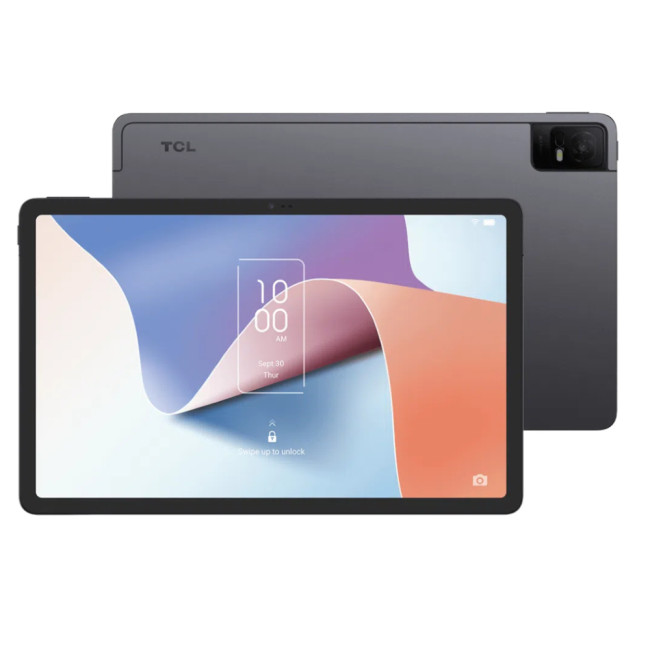
- Processor: MediaTek Helio P60T Octa-core
- Memory: 4GB RAM
- Storage: 128GB
- Display: 10.9-inch 2K (2000 x 1200) NXTPAPER 2.0 Technology
- Graphics: PowerVR GE8320
- Cameras: 8MP Rear, 8MP Front
Last Updated: April 28, 2026
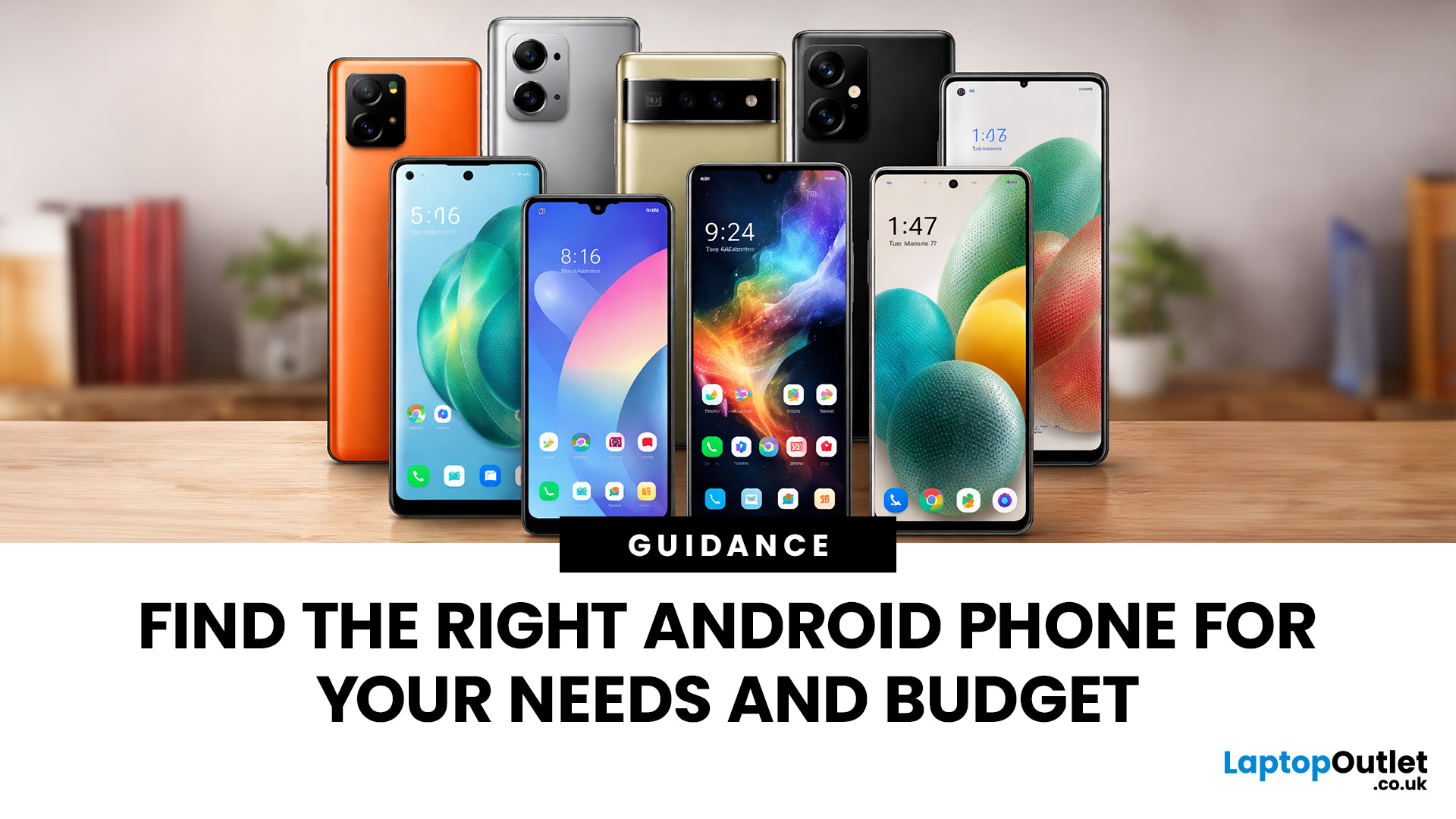
Finding the right device can feel overwhelming with so many options hitting the market. Whether you want a professional camera, a battery that lasts all weekend, or a budget-friendly workhorse, the current market has something for everyone.
At Laptop Outlet, we make the choice easy. We have curated a selection of the finest Android phones UK shoppers can buy right now. From affordable entry-level models to the most advanced latest phones, our guide ensures you get the best tech for your specific needs.
Why Choose Android in 2026?
Android remains the most versatile operating system in the world. When you shop for Android devices, you aren't just buying a phone; you are buying into an ecosystem of customisation and choice.
Unlike iPhones, Android allows you to select hardware from various manufacturers like Samsung, Google, OPPO, ASUS, and Xiaomi, ensuring there is a design and price point for everyone. You will find that current Android models offer incredible battery life, stunning

Last Updated: January 21, 2026
Android tablets have evolved into powerful, versatile devices that can easily replace laptops for many users. You need to stream content, work on the go, game at high frame rates, or manage everyday tasks, so choosing the best Android tablet PC can significantly enhance your experience.
In this in-depth guide, we’ll explore the best android tablets in the UK, covering top rated Android tablets, productivity-focused models, and the best gaming tablet options available today. We’ll also help you understand what features matter most and how Android tablets compare with alternatives like convertibles and Windows-based devices.
Why Choose an Android Tablet PC?
Android tablet PCs are popular in the UK for several key reasons:
- User-friendly interface with access to millions of apps on Google Play
- Wide price range, from affordable everyday tablets to premium powerhouses
- Excellent battery life, ideal for travel and work
- Strong gaming performance with optimised mobile titles
- Flexible use cases
Last Updated: February 26, 2026
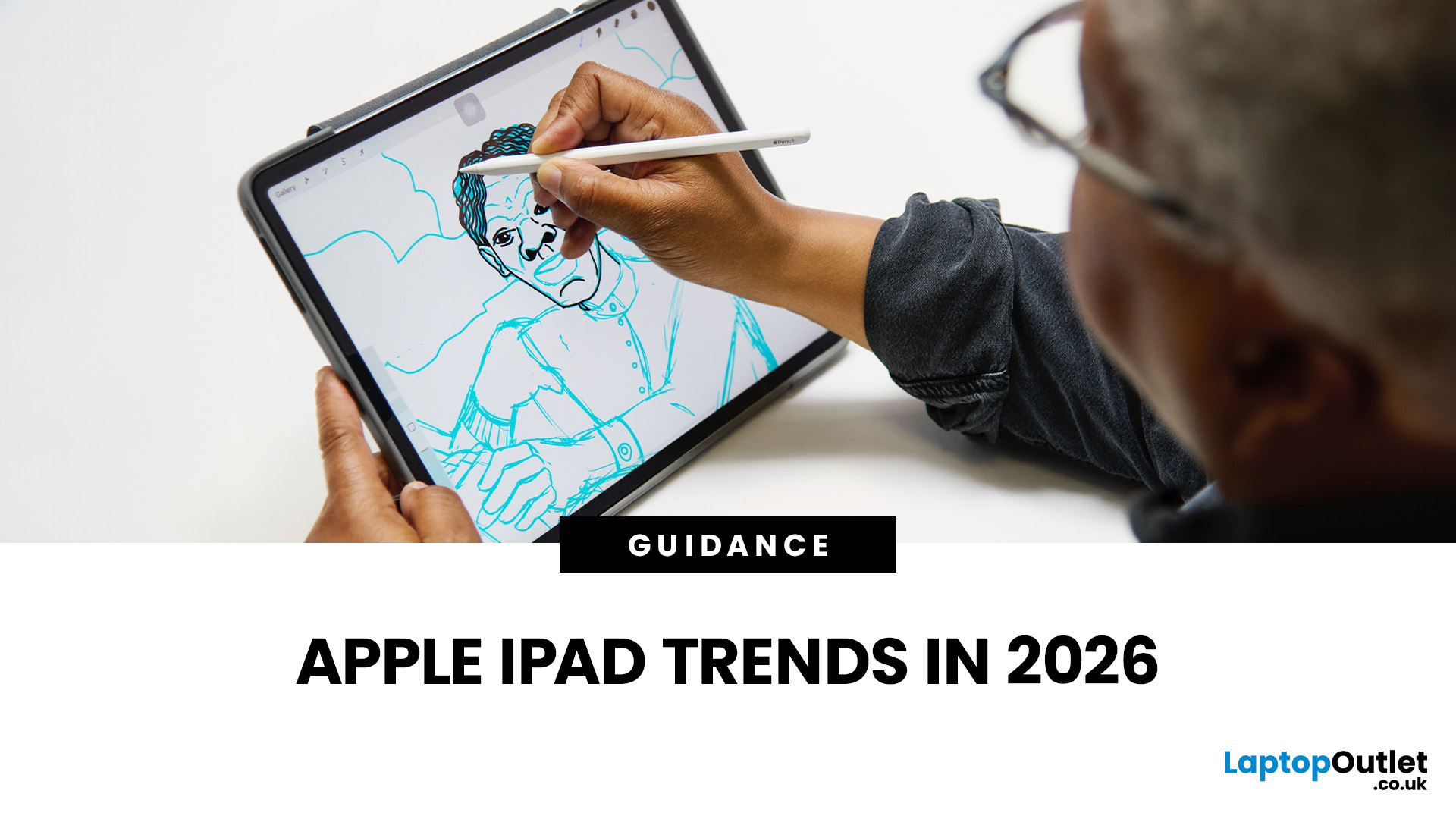
The iPad in 2026 isn’t just a tablet anymore. It’s a content machine, a work-from-anywhere setup, a creative studio, and low-key a laptop replacement for a lot of people in the UK. Apple has quietly (and sometimes not-so-quietly) levelled up the entire iPad lineup, and the Apple iPad trends in 2026 prove one thing: this ecosystem is built for performance, flexibility, and vibes.
This first section breaks down what’s actually new, what’s trending across the latest iPad models, and how Apple is pushing its tablet PCs further into laptop territory, without killing what makes the iPad iconic.
Apple iPad Trends in 2026: The Big Picture
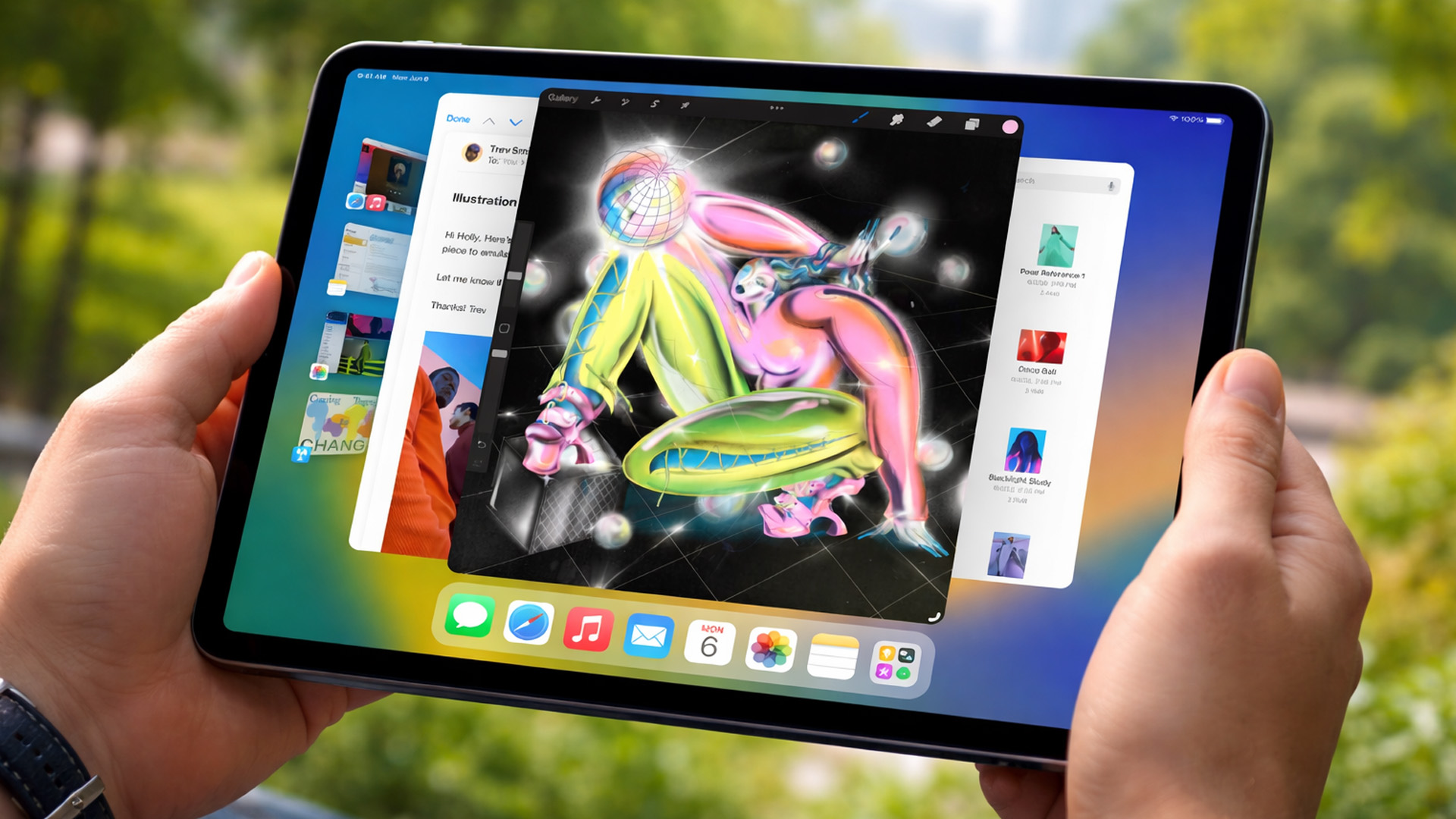
The biggest shift in Apple iPad trends this year isn’t just about faster chips or shinier displays - it’s about positioning. Apple is clearly doubling down on the iPad as a serious productivity and creativity device while still keeping it accessible for everyday users.
In the UK Apple iPad market, buyers are no longer asking “Do I need an iPad?” they’re asking
Published: March 03, 2026
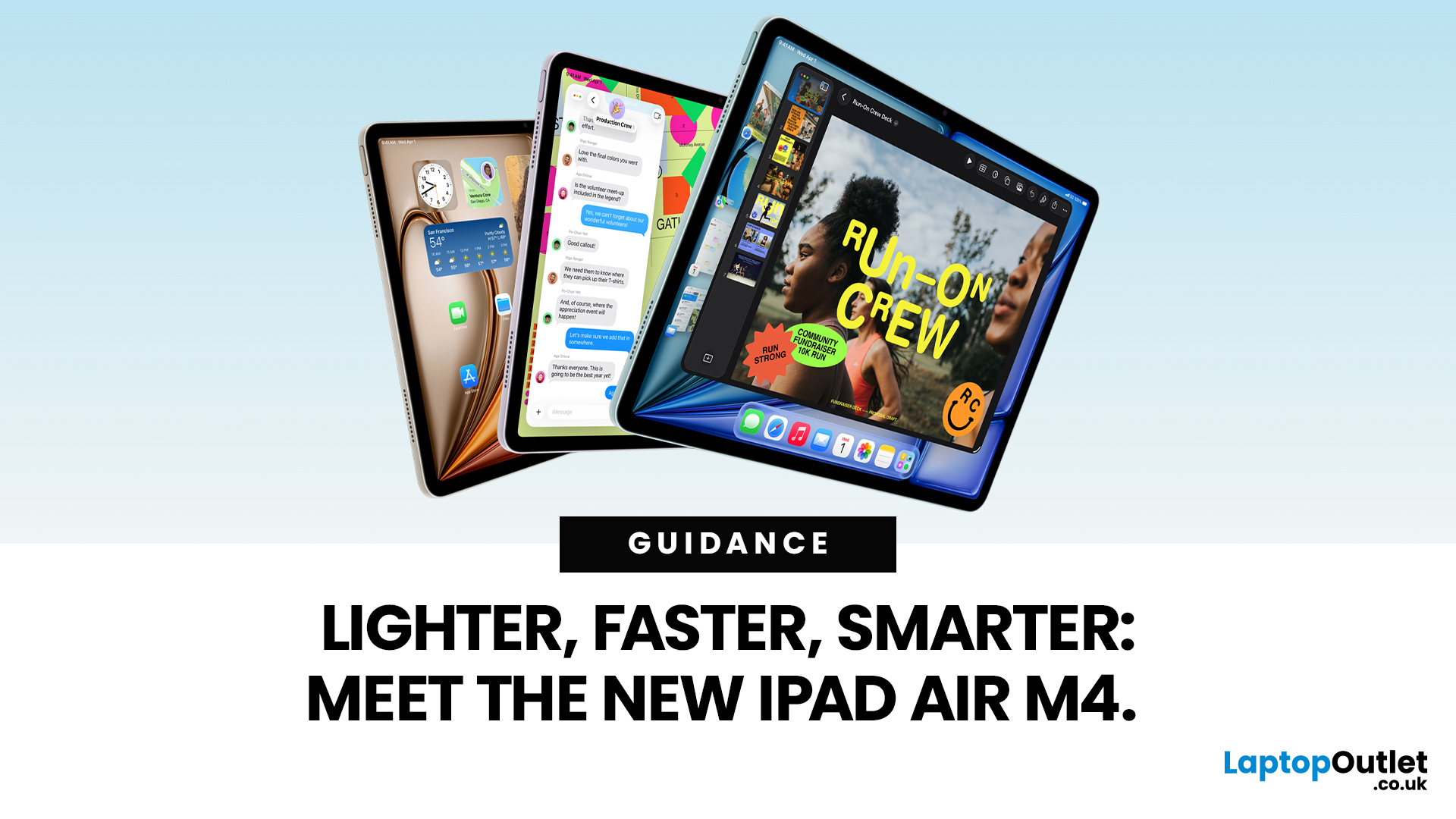
Apple has just unveiled the latest iPad Air, and it's a solid update for anyone in the Apple ecosystem. The iPad Air M4 brings fresh power under the hood without changing much on the outside.
If you're after an Apple tablet that handles work, play, and creativity with ease, this could be your next pick. Let's dive into what makes this device stand out in 2026.
Introducing the iPad Air M4
The new iPad Air comes in two sizes: 11-inch and 13-inch. Both pack the M4 chip, which boosts speed and efficiency. Storage starts at 128GB and goes up to 1TB.
You can choose Wi-Fi only or add cellular for on-the-go use. Colours include space grey, blue, purple, and starlight. This refresh keeps the sleek design fans love, but adds modern tech inside.
Moreover, it supports the latest accessories like the Apple Pencil Pro and Magic Keyboard. These turn the iPad Air M4 into a versatile tool for notes, drawing, or typing.
Powerful Performance with the M4 Chip
At the heart of the iPad Air M4 sits the M4
Published: March 03, 2026
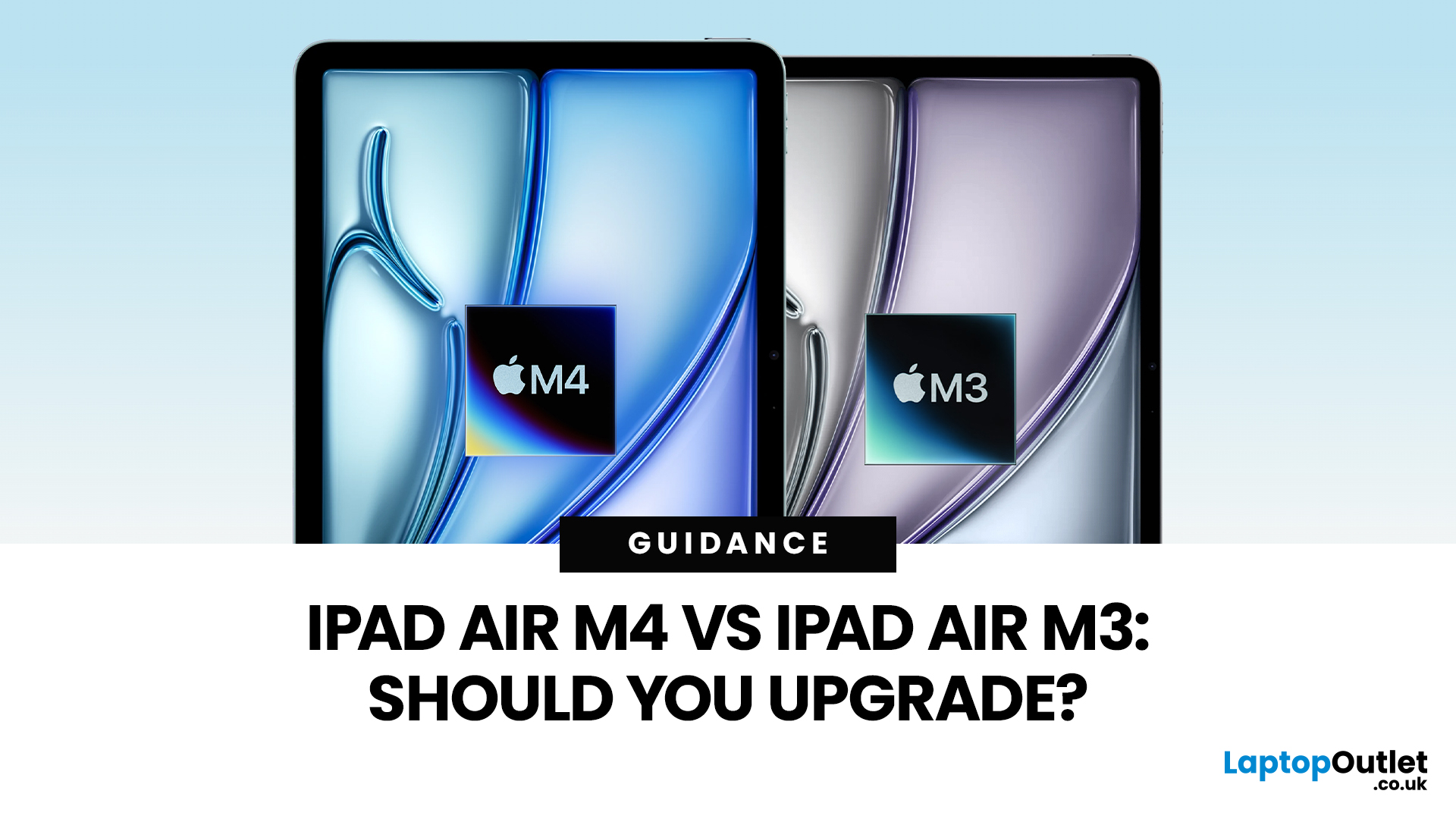
Apple’s iPad Air update for 2026 is exactly what most iPad Air buyers want: the same clean design in 11-inch and 13-inch sizes, but with a much stronger internal platform. The iPad Air M4 moves the Air line onto Apple’s M4 chip, adds more memory, and updates wireless and cellular hardware, so the device stays fast and responsive for longer.
If you are deciding between iPad Air M4 vs M3, the upgrade question is simple: do you need more headroom for heavier apps and multitasking, or is your iPad mainly a media, notes, and browsing device? The M4 model is better on paper and in real use for power tasks, but the M3 model remains “fast enough” for most people, especially if it is discounted.
Quick Answer: Should You Upgrade?
Upgrade to iPad Air M4 if
- You use your iPad like a laptop replacement: Stage Manager, split-screen work, lots of apps open, and big files.
- You do creative work (editing, design, illustration, audio projects), and you want smoother performance under load.
- You plan to
Published: March 04, 2026
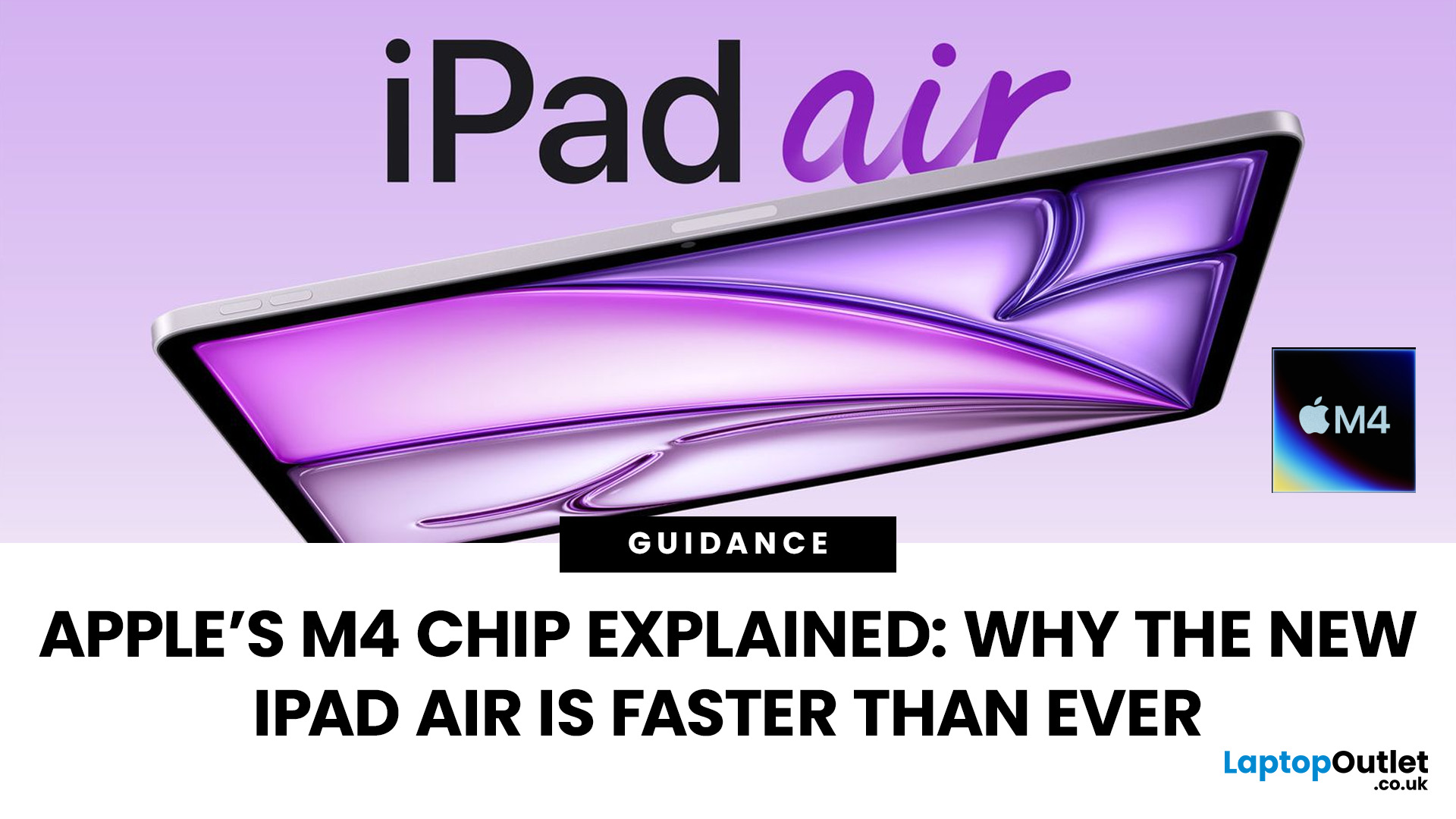
Apple’s silicon strategy has reshaped modern computing and the Apple M4 chip is the latest example of how powerful, efficient processors can transform mobile devices. In this article, we explain exactly what the M4 chip is, why it makes the new iPad Air faster, and what this means for everyday users in the UK and beyond.
What Is the Apple M4 Chip?
The Apple M4 chip is the newest generation of Apple silicon designed for tablets and other devices, including the latest iPad Air lineup. It builds on Apple’s previous M-series processors with improvements in CPU performance, graphical power and machine learning capabilities. The M4 integrates multiple central processing cores, a robust graphics unit and a dedicated neural engine into a single, efficient system-on-chip.
Unlike older mobile processors, which may separate components, the M4 combines CPU, GPU, memory controller, neural accelerators and other key functions into a single package. This unified architecture reduces latency and maximises
Published: March 06, 2026
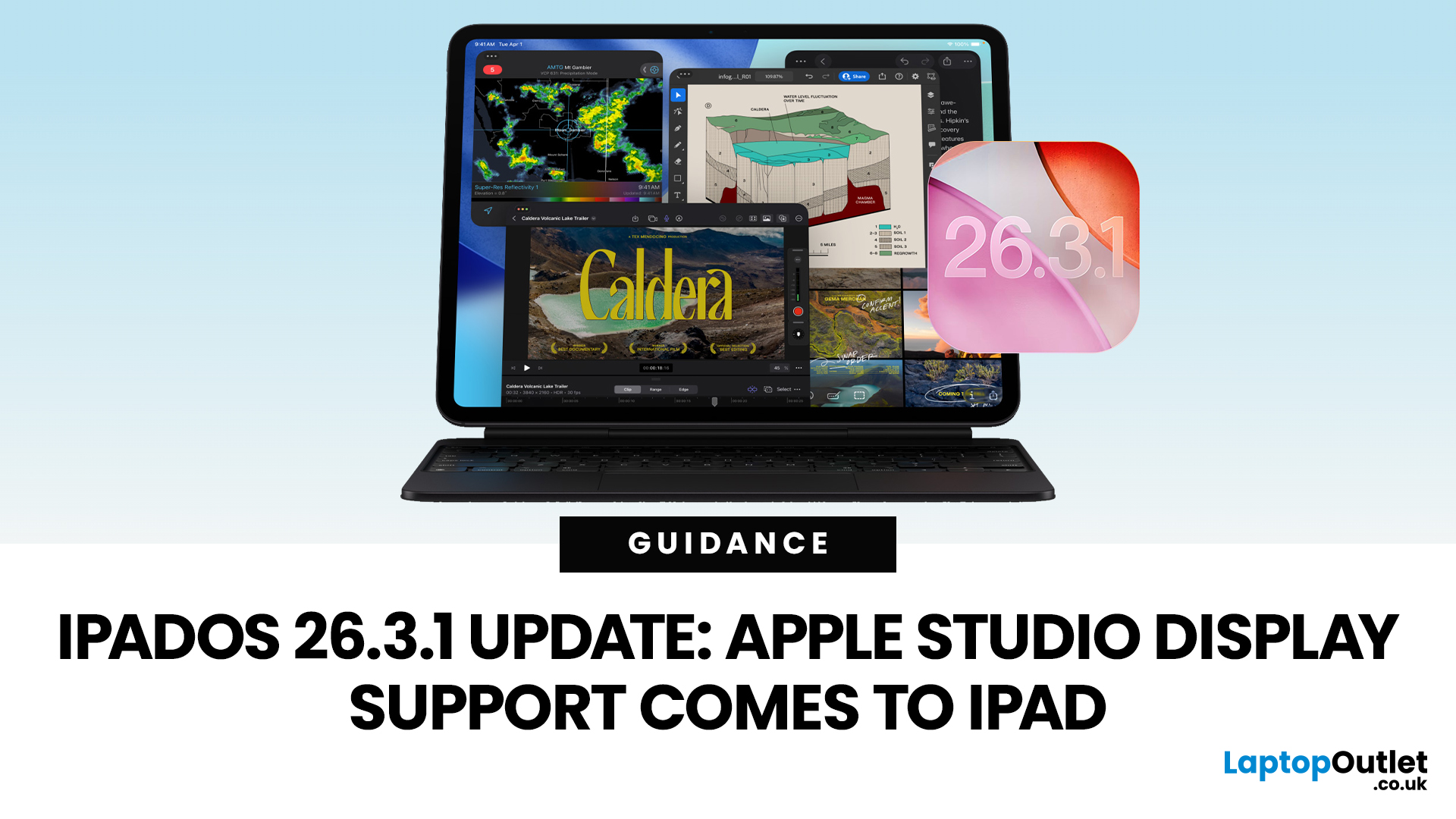
Apple has released the iPadOS 26.3.1 update (build 23D8133) on 4 March 2026, and while it’s a point release, it’s tied to something very tangible: support for Apple’s (new) Studio Display lineup, including Studio Display XDR.
That means, if you use an iPad as part of your desk setup, this is one of those updates that can quietly change your day-to-day. Not with flashy new emoji, but with better compatibility for a serious external monitor.
Below is what’s actually confirmed (and what isn’t), which iPads are included, and what to expect when you plug your iPad into Apple’s Studio Display.
What Apple says is in iPadOS 26.3.1
Apple’s Developer Releases listing confirms:
- iPadOS 26.3.1 (23D8133)
- Release date: 4 March 2026
Apple hasn’t published a public-facing, detailed changelog in the sources available here, and several reports describe the fixes as “unspecified bug fixes” alongside the key compatibility change.
What is clearly and directly supported: Studio Display compatibility now requires

Last Updated: April 14, 2026
You need a tablet (well… that’s why you’re here), but figuring out which one actually suits you? That’s where things get tricky.
It’s all gone a bit pear-shaped - there are so many Android tablets out there, each packed with features that sound like they need a dictionary to understand (seriously, who casually says “Magnetoresistive Stylus Support”?). And don’t even get started on the prices.
Finding the right tablet with the right specs and a price that makes sense can quickly turn into a headache.
So, let’s make this easy.
We are going to break down exactly what you need to know, what to look for, what to ignore to choose the best Android tablet for your needs, all in simple, no-jargon language (because no one needs a tech lecture just to buy a tablet).
If you already know what you want, you can jump straight to our full range of android tablets and start browsing.
Otherwise, stick with me, by the end of this, you’ll know exactly which tablet deserves your money.
Quick Picks: Best Android
Published: April 13, 2026
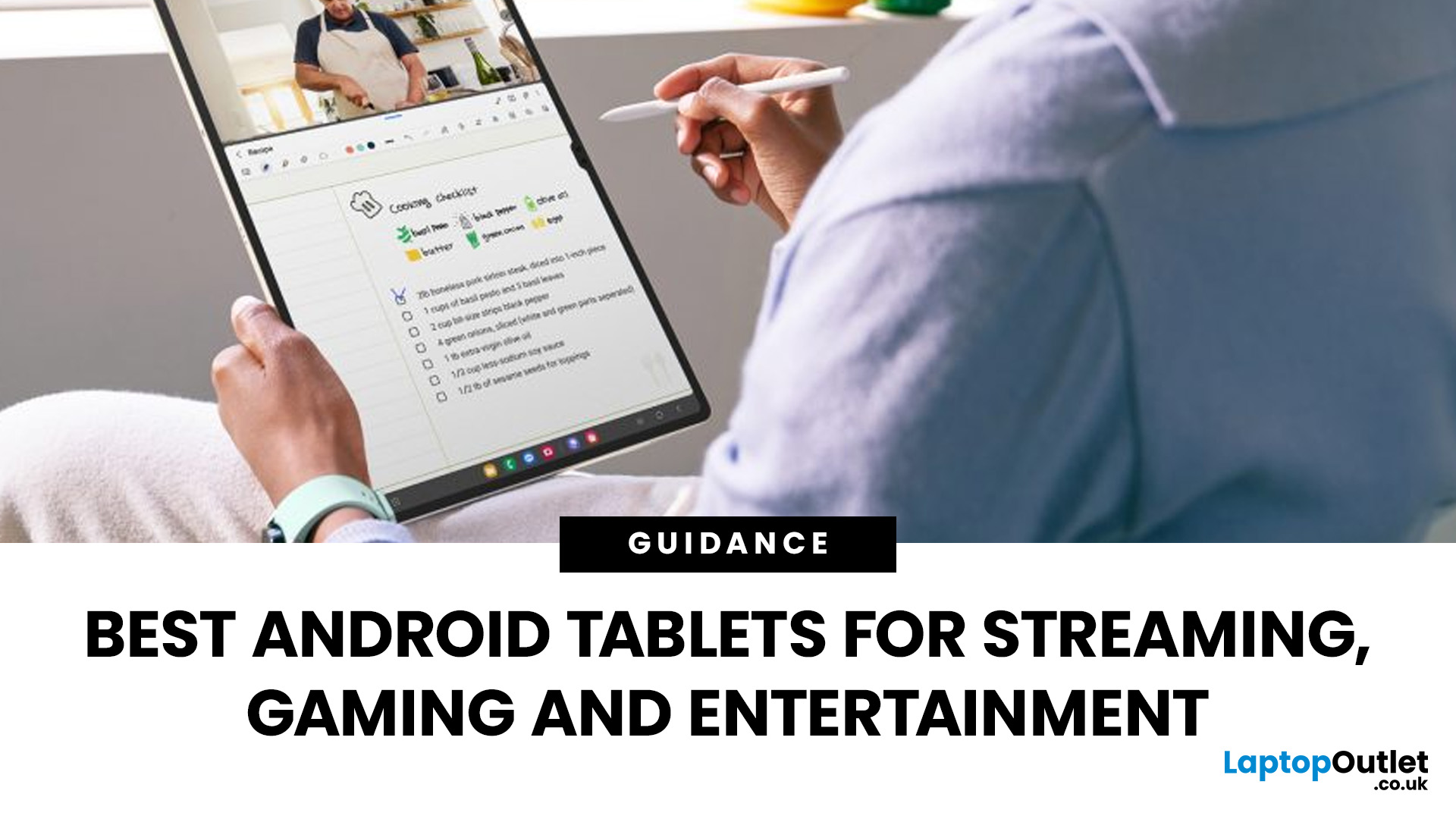
Looking for a tablet that’s built more for watching, playing, and relaxing than working? You’re not alone, Android tablets have quietly become some of the best-value options for streaming and gaming in 2026.
- Big-screen Android tablets are now sharper, louder, and more immersive
- Mid-range processors comfortably handle streaming and casual gaming
- Battery life and audio quality now matter more than raw performance
Streaming, gaming, and genera l entertainment are now the main reasons people pick up tablets again. While flagship devices still exist, most buyers today are leaning toward practical, well-balanced options that deliver strong visuals, solid audio, and long battery life, without pushing into premium pricing.
What actually makes a tablet good for streaming and gaming?
Before jumping into specific models, it helps to understand what separates a good tablet from a great entertainment device.
A strong Android tablet for streaming and gaming isn’t just about specs, it’s about how everything

